LinkedIn for Leaders: Building Authority, Visibility & Opportunities in the Digital Age
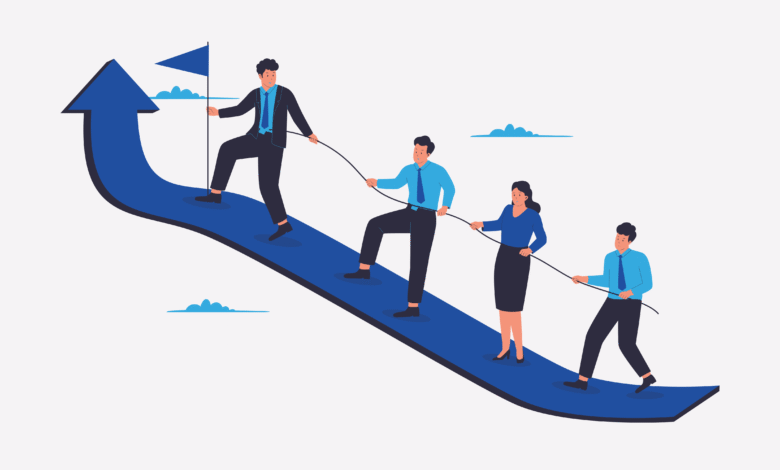
In an era where attention is currency, LinkedIn stands out as the premier platform for professionals to build visibility, connect with industry peers, and establish thought leadership.
During my recent live podcast, I had the pleasure of hearing from Ayman Itani, an entrepreneur, CEO, government advisor, and AI consultant, where we explored what it means to be visible on LinkedIn as a leader, how to stay consistent, and why authenticity is the most valuable currency in the professional world.
Rewatch our discussion.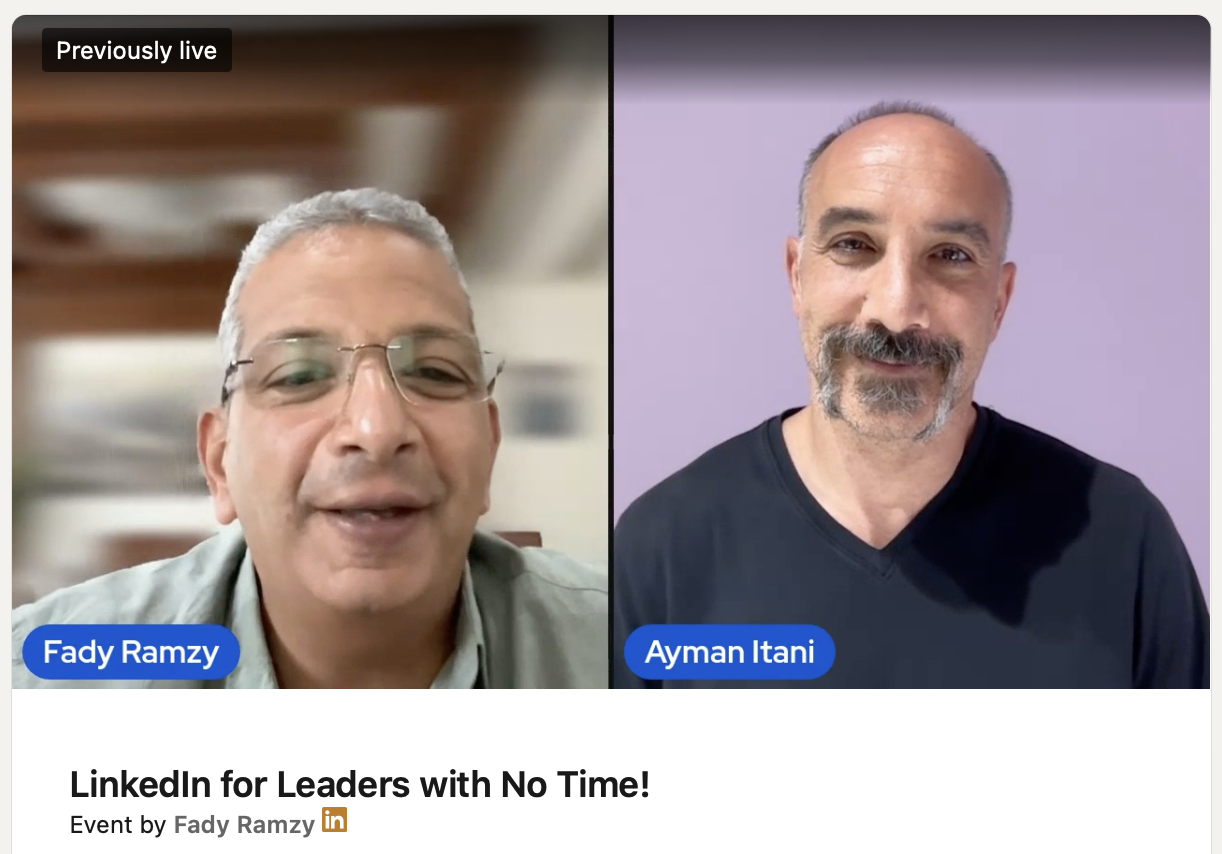
The Power of Organic Reach on LinkedIn
Unlike many other social platforms, LinkedIn remains one of the most generous in terms of organic reach. When you post on LinkedIn, whether it’s text, video, or images, the platform rewards your presence by pushing your content to a wide network, even beyond your immediate connections. This means more visibility, more engagement, and more professional opportunities.
“Organic reach is like being at a conference with a mic. People hear you. It’s still one of the few platforms where you’re seen and heard for free.”
For leaders, this is a strategic opportunity. You’re not just sharing content; you’re building influence.
Why LinkedIn Over Other Platforms?
LinkedIn offers a unique space where professionalism meets relatability. While platforms like Instagram or X (formerly Twitter) cater to more casual or entertainment-driven content, LinkedIn is where decision-makers gather, where business gossip spreads, and where future collaborations begin.
Moreover, the rise of video-first content on LinkedIn allows users to leverage formats they’re already consuming elsewhere, but now in a professional setting. Short, vertical videos that offer insight, behind-the-scenes context, or conference takeaways are becoming key tools in humanizing brands and leaders alike.
Authenticity: Showing Up As You Are
A critical challenge of the platform: the positivity bias.
Everyone is “humbled” and “honored,” yet rarely do we see real challenges or honest reflections. This disconnect can alienate audiences and undermine authenticity.
“People aren’t stupid. They can tell when you’re faking it. We all have bad days, imperfect projects, and rejected ideas. Being realistic earns trust.”
Authenticity doesn’t mean oversharing; it means showing up consistently in a way that is true to your work, values, and expertise. And this is what builds trust: the foundation of every great brand.
Visibility as a Strategic Tool: The Ambient Light Analogy
Ayman introduced a compelling concept: ambient awareness.
Just as ambient light gently lights a room without blinding anyone, your activity on LinkedIn keeps you on the radar of your network, subtly, consistently, and strategically.
“When the time comes and someone needs your services, they remember seeing you. That familiarity, even if indirect, matters.”
This kind of visibility opens unexpected doors: speaking invitations, consulting gigs, partnership offers, or media features. But it requires consistency.
Consistency: The Biggest Hurdle for Leaders
It’s not about creating viral content every week. The key to LinkedIn success, especially for busy professionals, lies in showing up regularly, even if it’s in small ways.
Here’s 4 pieces of practical advice to help leaders overcome perfectionism and get started:
1. Start Small
- Repost an article and share two lines about why it matters.
- Attend an event? Post a photo and a quick insight.
- Re-share a colleague’s post with your perspective.
2. Repurpose Content
- If you’re active on Instagram, X, or other platforms, bring that content to LinkedIn & tweak it for the professional audience.
- Repurpose your interviews, TV appearances, or podcasts into clips or quotes.
3. Pick a Niche
- If you want to be known for something, go deeper.
- Share consistent insights, opinions, and tips around a specific theme (e.g., leadership, AI, branding, sustainability).
4. Create a Realistic Posting Habit
- You don’t need to post daily. Set a target (e.g., 2-3 times per week) and stick to it.
- Use tools like ChatGPT intelligently: to draft ideas, but not replace your voice.
“Spending weeks on a post people will scroll past in seconds? That’s not smart. Chase consistency, not perfection.”
Read more on how to grow on LinkedIn.
Overcoming Common Barriers
There are recurring reasons people hesitate to show up:
- Insecurity: What if I get fired? What will people think?
- Fear of criticism: From HR, peers, or bosses.
- Perfectionism: Obsessing over every post.
- Time constraints: Not knowing how to fit it in.
The solution? Start with what feels natural and what you’re already doing. Talk about projects you’re part of, share what you’re learning, and lean into your day-to-day experiences.
The ROI of LinkedIn for Leaders
Depending on your career stage, the returns from being active on LinkedIn vary:
- Middle managers: Increase visibility to HR/recruiters and prepare for the next move.
- Executives/CEOs: Position yourself as a thought leader to attract press, partners, and talent.
- Entrepreneurs: Generate leads, investors, and business opportunities.
Ultimately, it all comes back to this: If you’re not visible, you’re not considered.
Final Thoughts: Don’t Post and Ghost
Posting isn’t the end of the story. Stay engaged. Reply to comments. Comment on others’ posts. Build relationship, not just impressions.
As Ayman reminded us:
“The difference between being active and being insightful is huge. Aim to add value, not just noise.”
In a world where your online presence can open doors before your resume is even read, LinkedIn is no longer optional for leaders.
It’s the modern-day boardroom, newsroom, and hallway chatter, all rolled into one.
Final Thoughts
LinkedIn is not a social media platform in the traditional sense. For leaders, it is infrastructure. It is where your reputation travels before you do, where opportunities form before a single email is sent, and where your professional legacy is quietly being written, whether you show up or not.
The conversation with Ayman Itani reinforced something that often gets lost in the noise of content marketing advice: visibility is not about broadcasting, it is about presence. There is a meaningful difference between the two. Broadcasting is transactional. Presence is relational. One pushes content at people; the other builds familiarity over time.
The leaders who will win on LinkedIn over the next decade are not the ones with the slickest graphics or the most polished captions. They are the ones who show up with genuine perspective, stay consistent when it is inconvenient, and treat every comment, reply, and conversation as a brick in a longer-term relationship.
Is Your Online Visibility Working for You?
You have just read about the principles. Now it is time to see where you actually stand.
The Executive Visibility Assessment is a free, 3-minute diagnostic designed for leaders who want a clear picture of their current online presence, where the gaps are, and what to prioritize first. No guesswork. No generic advice. Just a personalized snapshot of your visibility as a leader.
What you will get:
- A score that reflects your current executive visibility
- Specific gaps in your LinkedIn presence and personal brand
- Actionable next steps tailored to your career stage and goals
Thousands of professionals have used this assessment to stop guessing and start building a presence that actually opens door.
Take the Free Online Visibility Assessment Now
It takes less than three minutes. The clarity it gives you lasts much longer.

Frequently Asked Questions
How often should leaders post on LinkedIn?
There is no magic number, but consistency matters more than frequency. Posting 2-3 times per week with genuine insight is far more effective than posting daily for two weeks and then disappearing. Set a realistic rhythm and protect it.
Do I need a large following for LinkedIn to work for me?
No. LinkedIn’s organic reach means even profiles with modest followings can generate significant visibility. A single well-framed post can reach decision-makers, recruiters, or potential partners outside your direct network. The algorithm rewards engagement, not follower count.
What kind of content works best for executives on LinkedIn?
Content that reflects real experience performs best: lessons learned from a project, an honest take on an industry shift, behind-the-scenes context from an event you attended, or a clear opinion on a topic in your field. Video is growing fast on the platform and tends to generate higher engagement than text alone.
How do I stay authentic without oversharing?
Authenticity does not mean sharing everything. It means sharing what is true to your work, your values, and your expertise. A useful filter: would you say this in a boardroom or at a professional conference? If yes, it belongs on LinkedIn. Personal struggles are relevant only when they carry a professional lesson.
Can I use AI tools like ChatGPT to help with LinkedIn content?
Yes, but use them to draft ideas and overcome the blank-page problem, not to replace your voice. If a post sounds like it could have been written by anyone, it will not build your brand. Use AI as a starting point, then edit until it sounds unmistakably like you.
What is the biggest mistake leaders make on LinkedIn?
Posting without engaging. Visibility is a two-way street. If someone comments on your post and you do not respond, you have wasted the relationship-building opportunity the algorithm just handed you. Reply to comments, engage with others in your field, and treat LinkedIn like the professional community it is.
How do I know if my LinkedIn presence is actually working?
Look beyond vanity metrics like likes and impressions. The real signals are: inbound connection requests from relevant people, direct messages with collaboration or speaking opportunities, and being referenced or tagged by others in your industry. These are indicators that your visibility is translating into actual professional capital.