Emotion, Exclusivity, and the New Luxury: 10 Branding Insights from Elizabeth Solaru

Luxury branding is more than aesthetics. It’s an alchemy of storytelling, positioning, and emotion, rooted in clarity, consistency, and a deep understanding of value beyond price.
During a recent LinkedIn Live session, I had the honor of speaking with Elizabeth Solaru, luxury strategist and author of The Luxpreneur, about what luxury truly means today and how brands can evolve in 2025 and beyond.
Here are the key takeaways from our conversation, a powerful roadmap for entrepreneurs, creators, and marketers navigating the evolving world of high-end branding.
What Makes a Brand “Luxury”?
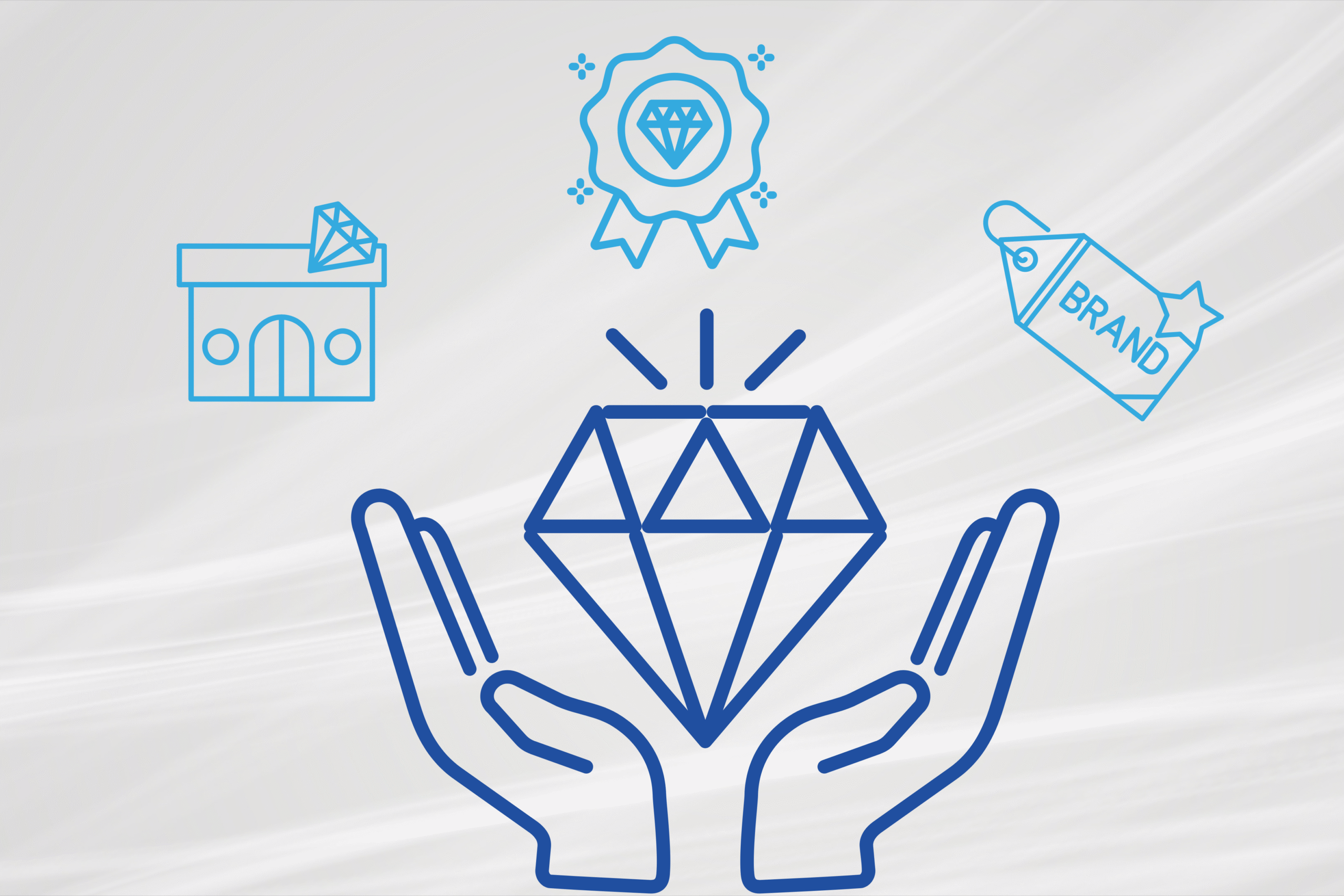
Elizabeth began with a powerful reframe: luxury isn’t always about cost, it’s about how a brand makes you feel.
“Luxury,” she said, “is a brand that makes you feel something: love, inspiration, loyalty, even envy or frustration. But the key is that it creates a deep emotional response.”
Sometimes, that response is aspirational; sometimes, it’s rooted in exclusivity. But those that endure know how to build and sustain meaning, not just hype.
Luxury in 2026: Culture, Crisis & the Generational Divide
We’re living in a time of stark contrasts. On one side: ultra-high-net-worth individuals. On the other: rising inequality and economic uncertainty.
Luxury brands are no longer insulated from these tensions. With global shifts, including from AI disruption to geopolitical tensions to generational values, the luxury sector is being forced to redefine itself.
Elizabeth noted a wave of CEO and creative director changes sweeping luxury houses, as brands search for relevance.
Sustainability, ethics, and inclusive storytelling are no longer optional. They’re expected.
Beyond the Product: The Rise of Community & Cultural Capital
Elizabeth emphasized that community is the new currency in luxury.
Brands like Miu Miu are now creating niche spaces, launching a Readers’ Club, hosting pop-ups around literature and fashion, and wrapping books in branded packaging to attract intellectual, modern women. Others are investing in exclusive dinners, private salons, and curated cultural events.
“It’s not just about inviting people into the brand,” she explained. “It’s about how you treat them once they’re inside.”
Luxury brands are now being challenged by younger generations who ask: What does luxury mean to us? And how are you taking care of our values, from sustainability to social responsibility?
Redefining Luxury Sectors: It’s More Than Fashion
While it is often associated with fashion, travel, or real estate, Elizabeth reminded us that luxury exists wherever care and excellence are present.
Think:
- Cybersecurity: bespoke protection for ultra-high-net-worth individuals
- Wellness & medicine: personalized treatments, longevity clinics
- Creative services: design, consulting, and even niche insurance packages
It is about the experience and how tailored and thoughtful it can be.
Transparency, Ethics & Hidden Hands
Many luxury brands tout their heritage, but behind many pieces are underrated artisans, such as Indian embroidery companies crafting for global houses.
“Luxury brands are quick to protect trademarks, but how are they protecting truth?” Elizabeth asked.
There’s a call now for radical transparency: honoring artisans, disclosing sourcing practices, and standing for ethics with the same rigor they stand for exclusivity.
A Masterclass from Louis Vuitton
Elizabeth shared the humble yet visionary origin of Louis Vuitton. At just 13, Vuitton walked barefoot for two years to Paris, became an apprentice boxmaker, and later reinvented luggage, designing stackable, durable trunks that disrupted his era.
“That’s luxury branding,” she said. “You see a need, you understand your customer, and you change the game with intention and innovation.”
So… How Do You Build a Luxury Brand?
- Start with yourself: What’s your story?
- Know your client types: Some value comfort, others discretion.
- Stand by your pricing: Value must be clear and consistent.
- Visibility matters: Targeted audience building is key.
- Approach wisely: Start outreach with the ones you’re less emotionally tied to.
- Offer true value: Be worth their time and attention.
- Understand the buyer deeply: Who are they really?
- Prepare for what could go wrong: Always have backup plans.
⚠️ Navigating the Challenges of High-End Clients
Clients in this space operate differently. Some don’t like to be contacted constantly. Others may reach out first, and never expect you to follow up unless invited. Elizabeth emphasized:
“You’re a service provider. You’re not selling to them. You’re solving something for them.”
In this space, the elevator pitch changes. It’s not about you. It’s about them, their world, their preferences, their pace. That level of emotional intelligence is non-negotiable.
Gatekeeping & Tiered Access
Exclusivity remains key. But it’s curated intentionally. These type of brands control visibility and access across three tiers:
- Entry Level: Perfumes, lipsticks, displayed beautifully even in supermarkets.
- Mid Level: Handbags or shoes in select retailers.
- High Couture: Low visibility, ultra-exclusive clientele.
Gatekeeping isn’t just about money. It can also be about talent, craft, or invitation-only experiences.
How to Attract & Keep High-Spending Clients
These clients are less impacted by crises, but harder to win over, because they have infinite options. So how do you become their first choice?
Elizabeth’s advice:
- Be a giver, known for helpfulness.
- Build targeted networks with intention.
- Show up consistently and strategically.
Final Thought
Luxury is changing. It’s no longer just about legacy and price. It’s about purpose, personalization, and emotional resonance.
Whether you’re building a brand, managing one, or dreaming one into being, the future of luxury demands a deeper kind of connection.