Amazon’s Product Safety Accountability: A Reflection on Responsibility in the E-Commerce Era
A reflective look at Amazon’s product safety accountability crisis and what the incident teaches us about platform responsibility, consumer behavior, and the future of e-commerce safety.

Amazon’s Product Safety Accountability: A Personal Reflection
Every once in a while, an incident emerges that shakes the foundations of trust we place in the platforms we use every day. The recent case involving nearly 300,000 customers who purchased potentially dangerous products through Amazon is one of those moments; not just because of the scale, but because of what it reveals about accountability in a rapidly expanding digital marketplace.
Amazon’s Product Safety Accountability Crisis: What the Latest Case Reveals
What caught my attention was how quietly the issue initially passed. It didn’t gain the traction one would expect for a case of this magnitude until the U.S. regulatory committee stepped in. Their report delivered two decisive conclusions, both of which mark an important turning point for the global e-commerce industry.
The first was unambiguous: Amazon bears 100% responsibility for defective or dangerous products sold on its platform, even when these products are offered by third-party sellers. This puts an end to years of debate. If the purchase takes place on Amazon, then Amazon is accountable.
The second conclusion was equally critical. Amazon did not respond with sufficient urgency. Instead of pulling the dangerous items or initiating a full recall, the platform simply sent emails notifying customers. For a situation involving hazardous products, this is far from enough.
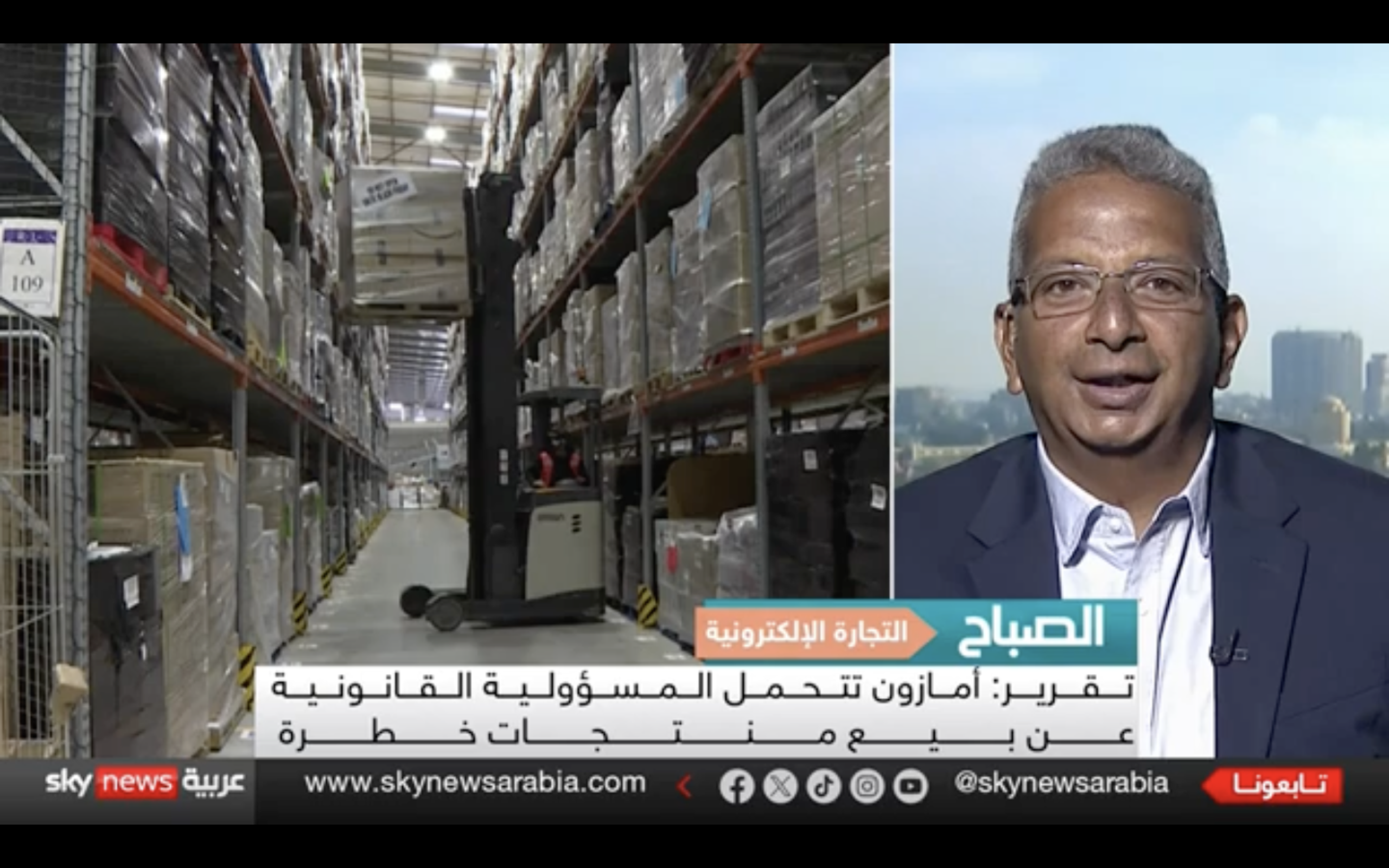
Why Amazon Is Now Fully Responsible for Defective Products
Reflecting on this, I see a deeper structural issue. When a platform becomes as large and influential as Amazon, safety cannot remain a passive task. It must be integrated at every step, from product listing to delivery.
Some argue that customers share part of the blame. And yes, many of us, including myself, sometimes rush into online purchases without digging into the details. But customer oversight cannot substitute the responsibility of a platform that operates at such a scale. A buyer may overlook a detail; a marketplace cannot overlook a risk.
The Future of E-Commerce Safety
Still, this is a reminder of smarter online shopping habits. I always recommend five steps:
-
Reading product descriptions carefully.
-
Exploring reviews beyond the star ratings.
-
Checking for safety data sheets when applicable.
-
Comparing information across platforms.
-
Analyzing packaging images for safety indicators.
Another layer of complication surfaces when platforms blame shipping companies for damages. Yet, if the platform chooses the logistics partner, then the responsibility cycles back to the platform. Safety isn’t a shared guesswork. It’s a structured obligation.
300,000 Customers Affected
The more alarming part of this case involves products that were inherently dangerous before they were ever shipped. Items that could explode, catch fire, or endanger children are not mere oversights. They are fundamental failures in quality control.
This is why the U.S. committee’s ruling is so significant. It signals a shift in how regulators view platform responsibility. Amazon’s recent losses and challenges add to the urgency, but beyond the business impact, this incident forces a deeper question:
Are digital marketplaces evolving fast enough to match the responsibility they carry?
As consumers, we expect safety. As platforms, they owe us clarity. And as the digital economy continues to expand, accountability will no longer be optional. It will be essential.